Helping an Elderly Parent Care for an Aging Dog
Updated November 7, 2026 · 6 min read
The short answer
To help an elderly parent care for an aging dog, watch a normal day: how the dog moves, eats and sleeps, and whether floors, stairs, lighting or the dog itself have become a tripping hazard. Raise what you see gently, agree on a shared plan for vet visits and supplies, and start with easy changes such as non-slip rugs, night lights and pet steps.
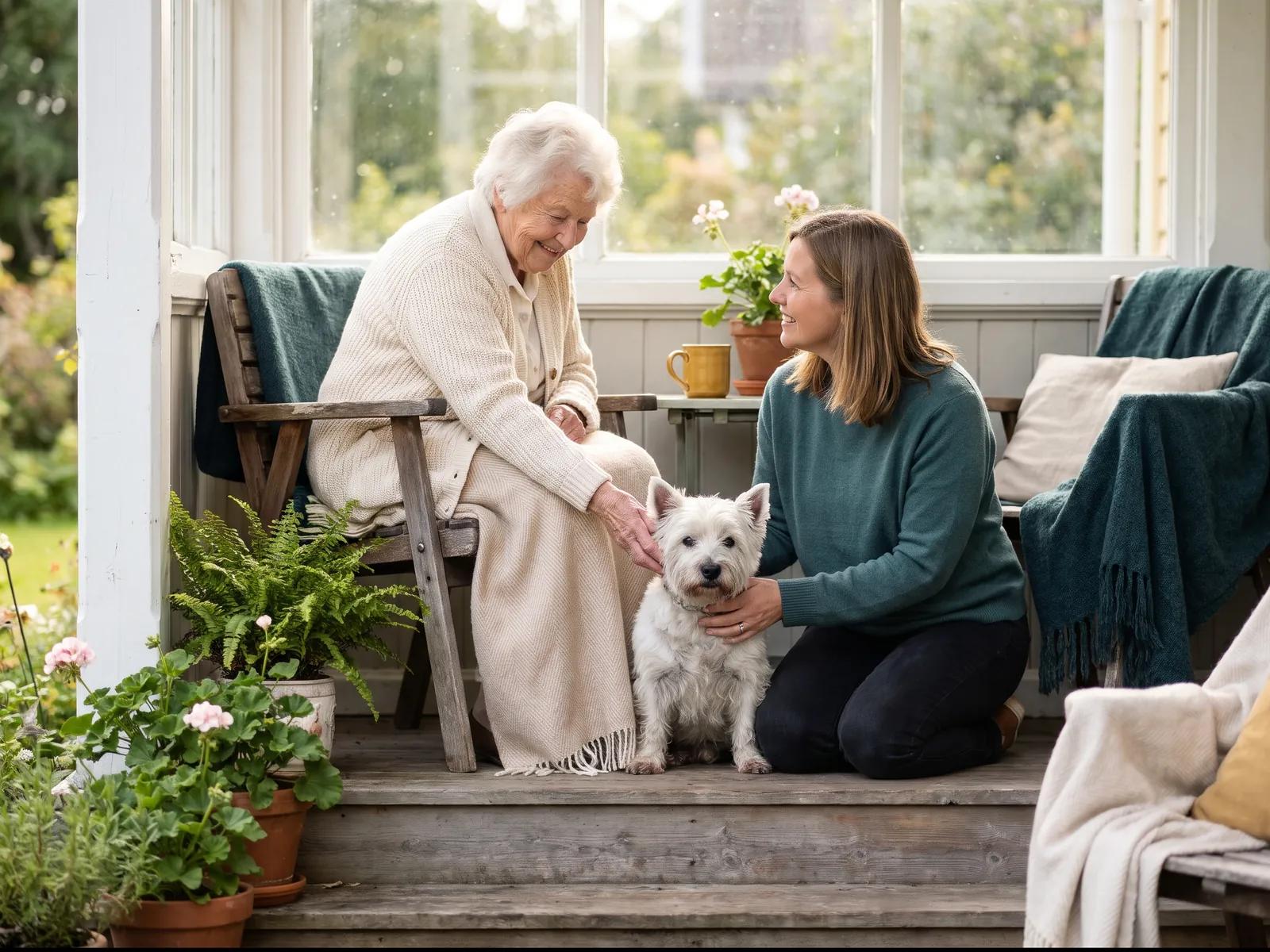
Why look at the dog when you visit an older parent?
A Thanksgiving or Christmas visit is often your first look in months at your parent's home. If their dog is getting older too, the two are linked: an older dog needs more help, and a parent who is slowing down may find it harder to give.
A dog can also be a fall risk. A CDC study of emergency room data estimated about 86,600 fall injuries a year in the US linked to dogs and cats, nearly 9 in 10 involving dogs. Tripping over a dog and being pulled by one were the most common causes, and fracture rates were highest in people 75 and older.
None of this means the dog has to go. For many older people, a dog is company and a reason to get outside. The goal is to keep them safely together.
What should I look for in the dog?
Spend unhurried time with the dog. You remember them from last year, so changes are easier to spot.
- Moving: slipping on smooth floors, trouble getting up, or hesitating at stairs.
- Weight: you should feel the ribs easily under a thin layer of fat. A dog who looks heavier or thinner than last time needs a vet visit.
- Nails: if they click on the floor or touch the ground while the dog stands, they're too long and reduce grip.
- Food and water: fresh water always out, and no steady stream of table scraps.
- Coat and nights: matted fur, restless nights or accidents in the house.
What should I check around the house?
Walk through the home as the dog, then as your parent. Many fixes help both of them.
- Floors and rugs: smooth floors on the dog's main routes, and loose throw rugs that slide or curl.
- Stairs: is the dog struggling up them, or is your parent carrying the dog?
- Lighting: dark hallways at night, when your parent gets up and the dog follows.
- Pet items: in the CDC study, falling over a pet item such as a toy or food bowl caused almost 9% of the fall injuries.
- Walks: does the dog pull? A JAMA Surgery study found that fractures in adults 65 and older linked to walking a leashed dog rose from about 1,700 in 2004 to about 4,400 in 2017, mostly in women.
How do I bring it up without upsetting my parent?
Start with the dog, not your parent. "Max seems unsteady on the kitchen floor. Should we get a rug?" is easier to hear than "You might fall." Most people gladly make changes for a dog they love.
Ask what feels hardest: walks, nail trims, vet trips, lifting the dog, or the cost. Then offer something concrete, like "I'll book the vet visit and drive you both," and leave the decisions with your parent. It's still their dog.
Expect more than one conversation. The American Animal Hospital Association's (AAHA) senior care guidelines note that caring for an older pet takes time, patience, money and stamina, and that the best plan works within the family's limits.
How do we make a shared care plan?
A one-page plan keeps things from slipping through the cracks when family lives far apart.
- Vet visits: AAHA recommends a medical workup for senior pets once or twice a year. Decide who books and who drives, and set shared calendar reminders.
- Supplies: agree who orders food and supplies, and set up repeat deliveries.
- Medicines: keep a current list of everything the dog takes, as the vet and labels direct, and bring it to every visit.
- Care file: the ASPCA suggests writing down the dog's habits, food, medical needs, vet records and behavior, with copies for everyone involved.
- Backup: name a neighbor who can step in if your parent is in the hospital. The ASPCA also suggests a wallet card saying there's a pet at home.
What easy home changes help an older dog and an older owner?
Most of the best changes are cheap and quick. AAHA's guidelines list rugs or yoga mats for footing, ramps, raised bowls, gates, night lights, and toe grips, boots or socks.
- Lay non-slip runners along the dog's main route, and remove loose throw rugs.
- Put motion-sensor night lights low in the hallway and by the stairs.
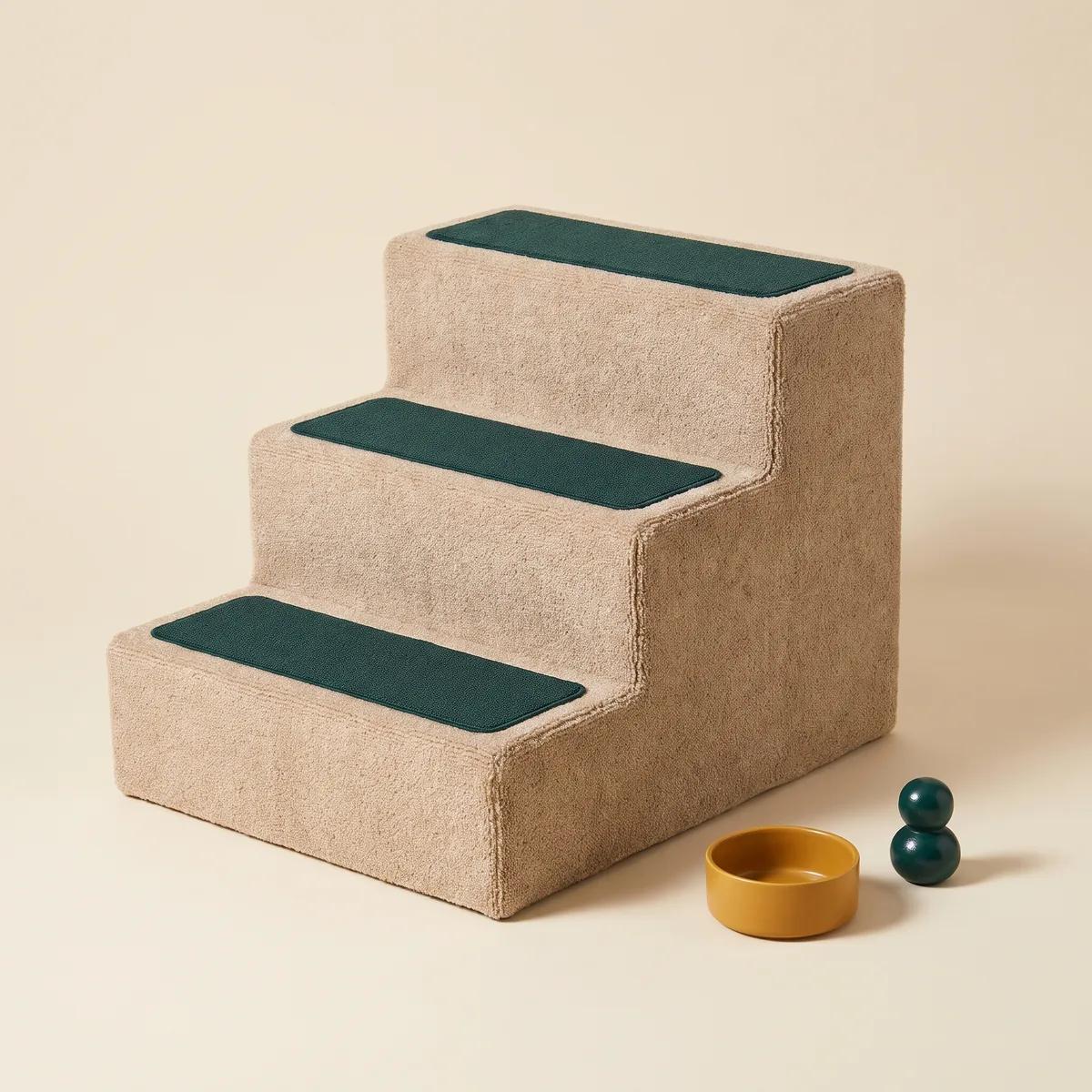
- Add pet steps to the couch or bed, so your parent doesn't have to lift the dog.
- Gate the stairs, and keep the dog's bed and bowls on the main floor, out of walkways.
- Try grip socks on a dog who slips, and take them off at night.
- On walks, use a harness and a short leash. The JAMA Surgery authors suggest training so dogs don't lunge on the leash.
What if my parent can no longer manage?
Help can come in steps that keep the dog at home: a dog walker or pet sitter, family taking turns with vet trips, and groomers or vets who visit the house. Ask your parent's vet: AAHA suggests practices keep lists of senior-friendly pet sitters and gentle groomers.
If a new home is the kindest choice, take it slowly. The American Kennel Club suggests contacting the dog's breeder or original rescue group first, then family and friends, and breed club rescue. Be fully open about the dog's needs, health and behavior, and check any new home with a visit and references. Involve your parent at every step.
Our free senior-dog home checklist puts these home changes in one printable list to go through together.
From the Keep Moving shelf


Common questions
›How can I help my elderly parent care for their dog?
Watch a normal day first: how the dog moves, eats and sleeps, and where the home makes things hard for both of them. Then offer specific help, such as driving to vet visits, ordering supplies, or adding non-slip rugs, night lights and pet steps. A one-page shared plan shows who does what.
›Can a dog make an older person fall?
Yes. A CDC analysis estimated about 86,600 fall injuries a year in the US linked to dogs and cats, most often from tripping over a dog or being pulled by one. Clear walkways, night lights and a dog trained not to pull all lower the risk.
›What if my parent's dog needs more care than they can give?
Add help in steps: a dog walker or pet sitter, family taking turns, and groomers or vets who come to the house. If that's still too much, the American Kennel Club suggests contacting the breeder or original rescue first, then family, friends and breed club rescue.
Not sure where to start?
Take the 60-second quiz to see your dog's age in human years and get a daily routine built around them.
Take the dog age quizSources
- Nonfatal Fall-Related Injuries Associated with Dogs and Cats: United States, 2001 to 2006 (CDC, MMWR)
- Fractures in Elderly Americans Associated With Walking Leashed Dogs (Pirruccio et al., JAMA Surgery, 2019)
- 2023 AAHA Senior Care Guidelines for Dogs and Cats (American Animal Hospital Association)
- Making a Plan for Your Pet (ASPCA)
- Rehoming a Dog Responsibly: What to Know (American Kennel Club)
These statements have not been evaluated by the Food and Drug Administration. Kennara products are not intended to diagnose, treat, cure or prevent any disease, and they don't replace veterinary care.