Senior Dog Peeing in the House? What to Check First
Updated November 7, 2026 · 6 min read
The short answer
When a house-trained senior dog starts peeing in the house, see your vet first: new accidents in an older dog often have a medical cause, and a vet can check for changes in the bladder or kidneys, hormones, or memory and thinking. At home, more frequent bathroom breaks, a late-night trip outside, an easy route to the door, washable pads and an enzyme cleaner all help. Your dog isn't doing it on purpose, so never scold.
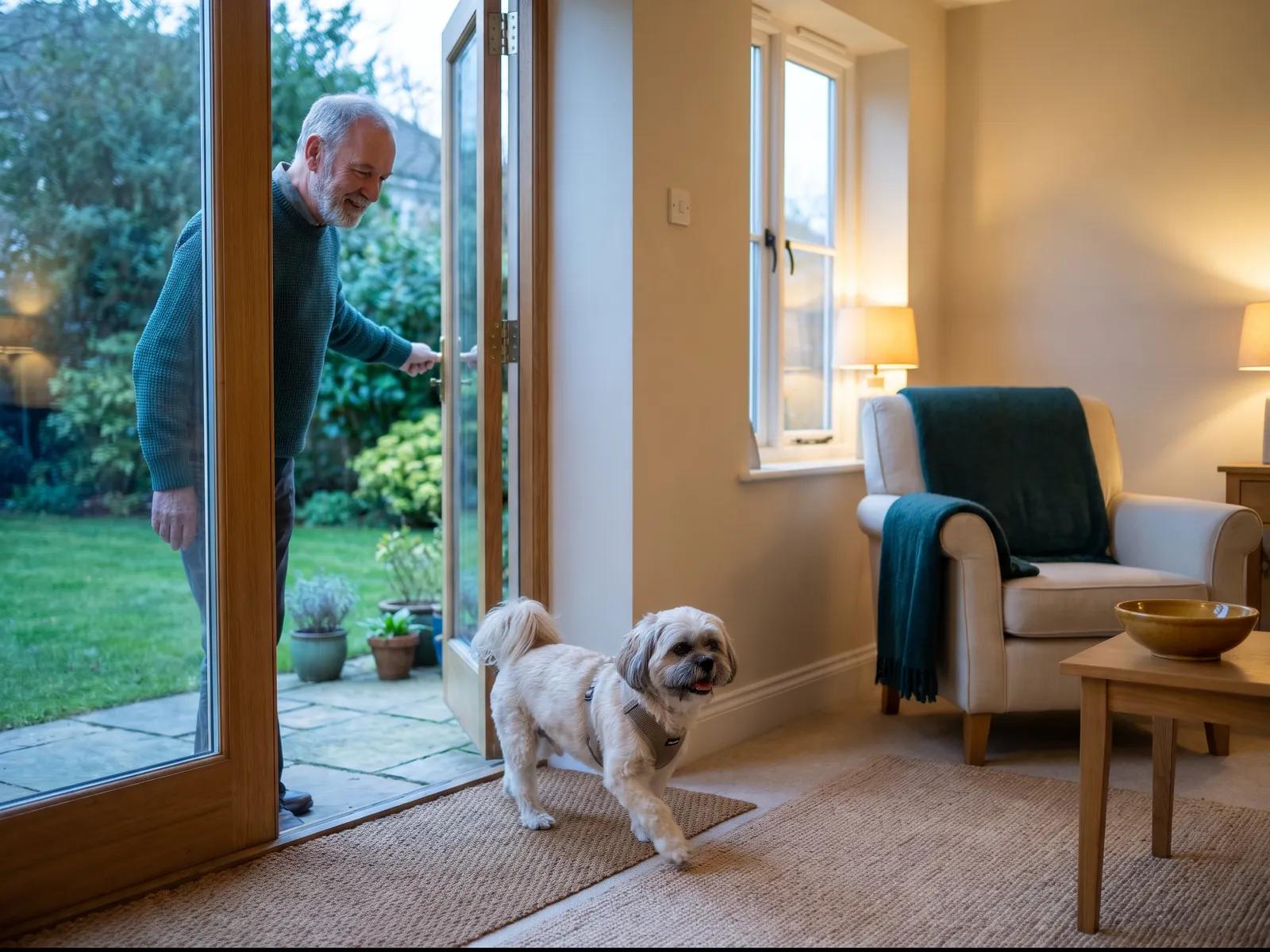
Why is my senior dog suddenly peeing in the house?
A dog who was house-trained for years isn't being stubborn. The American Kennel Club (AKC) explains that accidents in older dogs are often a sign of a medical, physical or memory change, and the ASPCA warns against assuming your dog is just getting old. Common reasons include:
- Drinking more than usual, which can come with changes in hormones and means more urgent trips.
- Changes in the bladder or kidneys that make it harder to hold it as long as before.
- Leaking, such as damp spots where your dog sleeps. AKC notes this is more common in older females.
- Stiff joints or something that hurts, which make squatting, getting up or walking to the door hard, so some dogs wait too long.
- Fading eyesight, which makes the way to the door harder to find.
- Changes in memory and thinking. VCA Animal Hospitals notes some dogs go outside, forget to go, then pee soon after coming back in.
- Some medicines, and changes to the household or routine.
Why should a vet visit come first?
Because many of the causes are medical, and the sooner they're found, the more options you have. VCA advises asking your vet to check for a physical cause, especially when house soiling starts suddenly.
A slow trickle of accidents counts too. A veterinary behaviorist quoted by AKC suggests that accidents which become a pattern, even two or three a month in a fully house-trained dog, are worth looking into with your vet.
Don't cut back on water to stop accidents unless your vet tells you to.
What should I note before the vet visit?
A few days of notes make the visit far more useful:
- When and where accidents happen: overnight, while you're out, or after a nap.
- How much: a few drops, a damp bed, or a full puddle.
- Whether your dog seems to notice or leaks without knowing.
- Whether they're drinking more, peeing more often, or straining.
- Any new medicine, food or change at home.
How often should an older dog go out?
More often than when they were younger. VCA notes that a healthy adult dog can usually hold urine for about three to four hours when resting, and AKC says many seniors need more frequent access to a bathroom spot than they used to.
- Keep a steady routine: first thing in the morning, after meals and naps, and before you leave.
- Make the last trip of the night as late as you can, and add an early-morning one if your dog wakes needing to go.
- Go out with your dog and wait until they've finished, then reward them, as the ASPCA suggests.
- Make the route easy: a non-slip runner to the door, a night light, and a ramp for steps. AAHA's senior care guidelines suggest moving a dog's resting area closer to the door.
- A dog walker or pet sitter can add a midday break.
Where do washable pads and belly bands fit in?
They make life cleaner while you and your vet work out the cause. AKC suggests pee pads for dogs who can't always make it outside, kept clean so your dog is happy to use them.
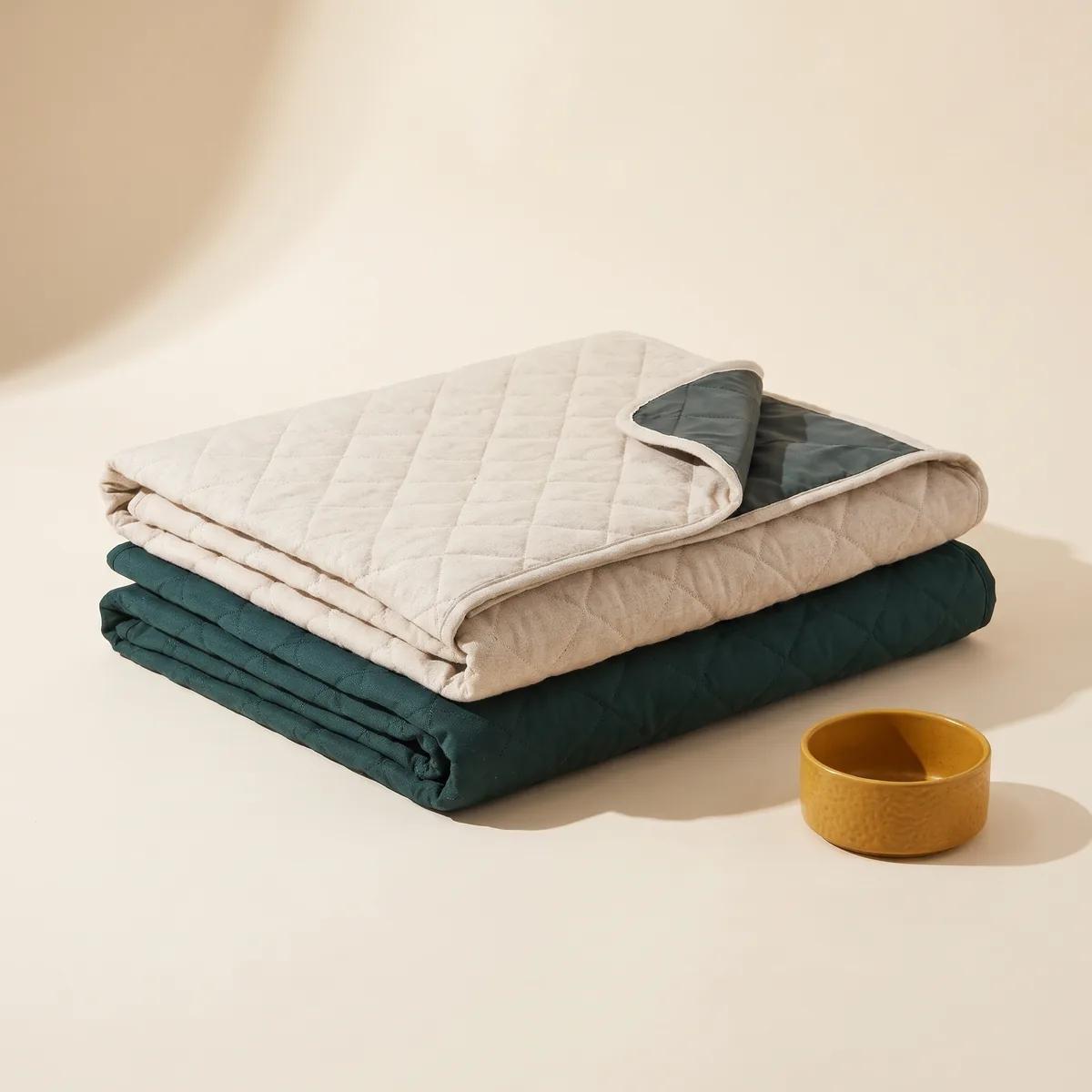
Put washable pads where accidents happen: by the door, beside the bed, and where your dog sleeps overnight. AAHA's guidelines suggest washable, waterproof covers for bedding, and keeping a dog who leaks clean and dry, with the fur trimmed around the back legs and tail.
A belly band is a soft, absorbent wrap for male dogs. Use it part-time, such as overnight or when you can't get your dog out:
- Change it as soon as it's wet, and check that the skin underneath stays clean and dry.
- Give your dog regular breaks without it, and take it off for trips outside.
- AAHA's guidelines suggest using diapers as little as possible, and the same goes for bands: keep them for the hours that need them.
How do I clean accidents so they don't happen in the same spot?
Dogs are drawn back to spots that smell of urine. VCA recommends a cleaner that contains enzymes to break down urine and remove as much of the smell as possible, and AKC notes that dogs who smell urine in the house are more likely to go there again.
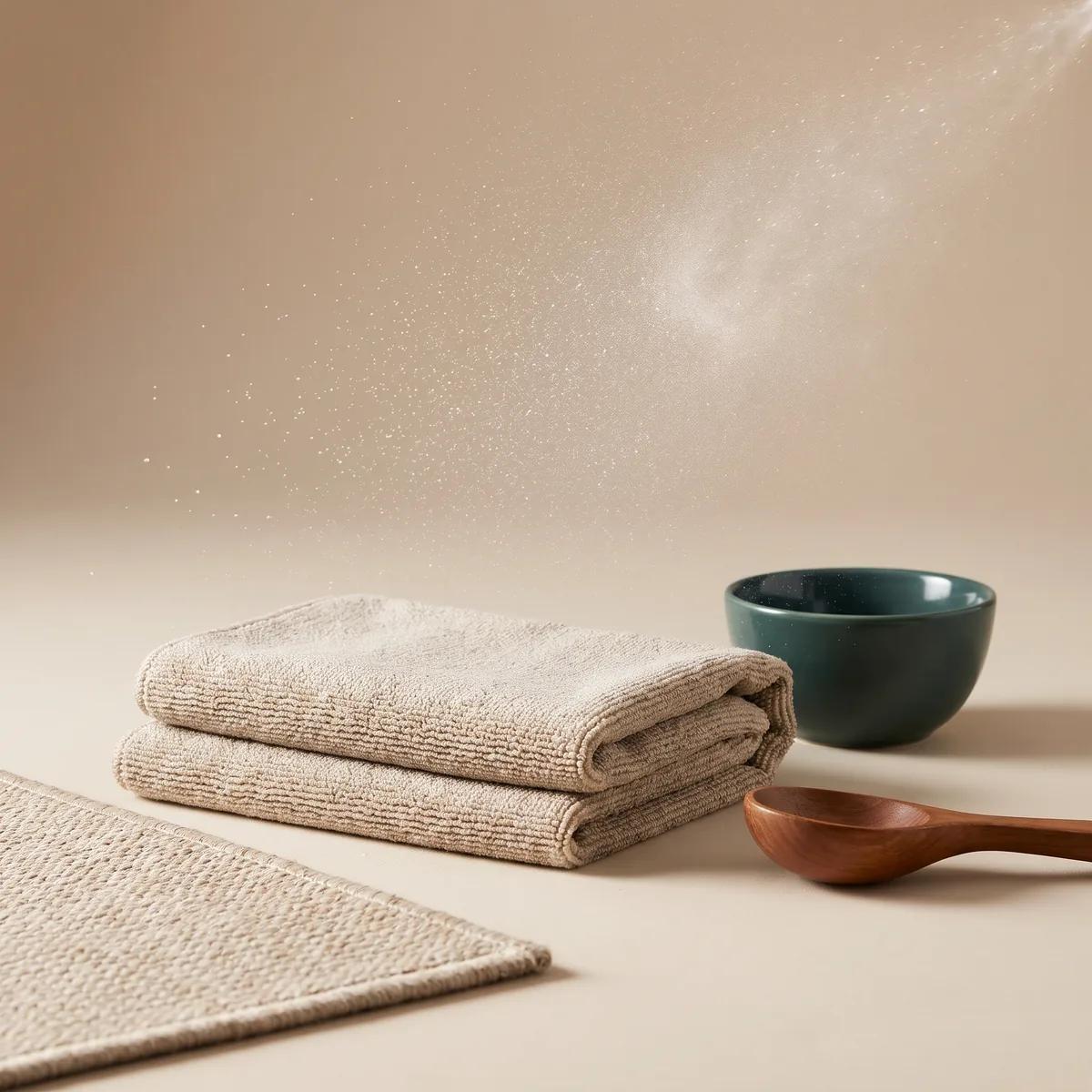
Blot up what you can, then use the enzyme cleaner as the label directs, making sure it reaches everywhere the urine did. Test it on a hidden spot first.
The ASPCA notes that a spot can stay a favorite even after thorough cleaning, so for a while, cover it with a washable pad or block it off.
How should I react when my old dog has an accident?
Calmly. VCA advises cleaning up quietly, ideally with your dog out of the room, and never scolding: a scolded dog becomes confused and may become frightened. The guilty look many owners see is more likely worry. AKC adds that punishment can raise stress and make accidents worse.
Your dog isn't doing it on purpose. Feeling frustrated is normal: focus on what helps, which is a vet check, more trips outside and a steady routine.
From the Stay Fresh shelf

Common questions
›Why is my old dog peeing in the house all of a sudden?
Sudden accidents in a house-trained older dog often have a medical cause, such as changes in the bladder or kidneys, hormones, or memory and thinking, or something that makes getting outside hard, like stiff joints or fading eyesight. Book a vet visit, note when and where it happens and how much your dog drinks, and add extra bathroom breaks meanwhile.
›Should I give my senior dog less water so they have fewer accidents?
No, not unless your vet tells you to. Older dogs need fresh water every day, and drinking more than usual can be a sign your vet needs to know about. Instead, take your dog out more often and put washable pads where accidents happen.
›Are belly bands OK for older male dogs?
They can help part-time, such as overnight or when you can't get your dog outside, as long as you change them as soon as they're wet, keep the skin clean and dry, and give breaks without one. A belly band doesn't replace a vet check, so mention new accidents to your vet.
Not sure where to start?
Take the 60-second quiz to see your dog's age in human years and get a daily routine built around them.
Take the dog age quizSources
- Why Is My House-Trained Senior Dog Suddenly Having Accidents? (American Kennel Club)
- Dog Behavior Problems: House Soiling (VCA Animal Hospitals)
- Behavior Problems in Older Dogs (ASPCA)
- Everything You Need to Know About Using Diapers for Dogs (American Kennel Club)
- 2023 AAHA Senior Care Guidelines for Dogs and Cats (Journal of the American Animal Hospital Association)
These statements have not been evaluated by the Food and Drug Administration. Kennara products are not intended to diagnose, treat, cure or prevent any disease, and they don't replace veterinary care.